
The importance of a Surgical Hospital in Modern Healthcare
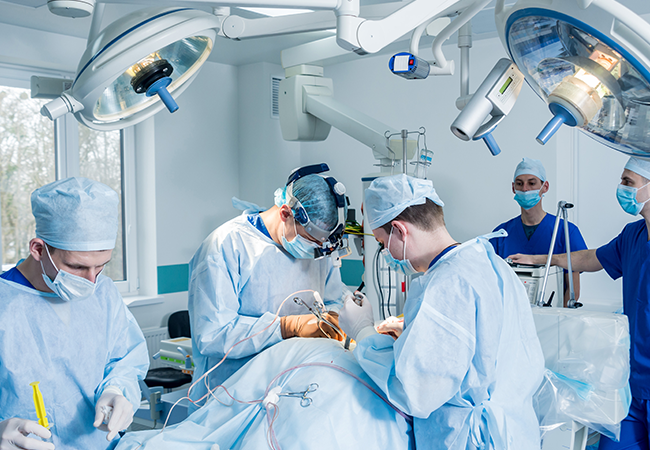
A surgical hospital plays a critical role in today’s healthcare system, providing specialized facilities, highly trained professionals, and advanced medical technologies to perform a wide range of surgical procedures safely and efficiently. Unlike general hospitals, which manage both medical and surgical care, a surgical hospital focuses specifically on operative treatment, ensuring that patients receive expert attention for complex surgeries, elective procedures, and emergency interventions. The growth of surgical hospitals reflects an increasing demand for dedicated surgical care, precision medicine, and patient-centered services, making these facilities indispensable in modern medicine.
One of the defining characteristics of a surgical hospital is its focus on specialization. These hospitals are equipped to handle procedures across various fields, including orthopedics, cardiovascular surgery, neurosurgery, plastic and reconstructive surgery, urology, and minimally invasive laparoscopic operations. By concentrating resources and expertise on surgical care, these facilities create an environment optimized for patient safety, procedural accuracy, and superior outcomes 香港私立醫院. Surgeons, anesthesiologists, nurses, and support staff work collaboratively to ensure every aspect of the surgical process is managed effectively, from initial assessment to post-operative recovery. This concentrated focus on surgery distinguishes surgical hospitals from general medical institutions and enables higher levels of proficiency and efficiency.
Advanced technology is central to the operations of a surgical hospital. Modern surgical hospitals invest in state-of-the-art operating theaters, robotic surgical systems, high-definition imaging devices, and sophisticated diagnostic tools. Robotic-assisted surgery, for instance, allows surgeons to perform intricate procedures with enhanced precision and smaller incisions, resulting in faster recovery and reduced risk of complications. High-resolution imaging technologies such as MRI, CT scans, and 3d imaging systems help in accurate diagnosis, surgical planning, and real-time monitoring during procedures. The integration of advanced technology in surgical hospitals enhances patient safety, improves clinical outcomes, and streamlines the overall surgical process.
Patient safety and infection control are key priorities in a surgical hospital. These facilities maintain strict sterilization protocols, ensure proper handling of surgical instruments, and enforce rigorous hygiene standards to prevent post-operative infections. Standard procedures such as preoperative assessments, surgical checklists, and meticulous monitoring during and after surgery reduce the risk of complications and support faster, safer recovery. By maintaining controlled and highly sanitized environments, surgical hospitals build confidence among patients and their families, offering reassurance that procedures are performed under the highest medical standards.
Another major strength of surgical hospitals is the provision of comprehensive patient care. Surgical care is not limited to the procedure itself; it extends to pre-operative preparation, post-operative monitoring, pain management, and rehabilitation services. Pre-operative assessments help ensure that patients are physically and mentally prepared for surgery, minimizing risks and enhancing recovery potential. Post-operative care units in surgical hospitals are equipped with specialized nursing staff and rehabilitation experts who monitor vital signs, manage pain, prevent complications, and guide patients through gradual recovery. This continuity of care ensures that patients are supported throughout every stage of their surgical journey.
Efficiency is a defining feature of surgical hospitals, particularly for managing complex cases and high volumes of procedures. By focusing solely on surgery, these hospitals have developed streamlined workflows, well-coordinated teams, and standardized protocols that facilitate timely access to treatment. Patients undergoing elective surgeries, such as joint replacements or cosmetic procedures, benefit from reduced waiting times, coordinated scheduling, and predictable recovery timelines. This efficiency not only improves patient satisfaction but also enhances the overall performance of the hospital in delivering high-quality surgical care.
Minimally invasive surgery is an increasingly common offering in modern surgical hospitals. These procedures involve smaller incisions, less tissue damage, reduced pain, and shorter hospital stays. Many surgical hospitals provide outpatient or same-day surgery programs, allowing patients to recover at home under guided supervision. The development of minimally invasive techniques has transformed the patient experience, making surgical treatment more accessible and convenient while maintaining high levels of safety and effectiveness.
Surgical hospitals also play a crucial role in emergency and trauma care. Facilities with dedicated trauma units and 24/7 operating theaters can respond immediately to critical injuries, accidents, and life-threatening conditions. Emergency surgical teams, supported by anesthesiologists and critical care specialists, can provide rapid interventions that are often life-saving. This capability highlights the essential function of surgical hospitals not only in elective procedures but also in urgent and high-risk medical situations.
The expertise of the medical professionals in a surgical hospital is a major factor contributing to its effectiveness. Surgeons, nurses, and anesthesiologists often undergo extensive training, fellowships, and continuous professional development to stay current with the latest surgical advancements. Working in specialized hospitals allows these professionals to refine their skills, collaborate with multidisciplinary teams, and apply cutting-edge techniques with precision. For patients, access to highly skilled practitioners means receiving complex care with confidence and improved chances of successful outcomes.
Surgical hospitals also contribute significantly to research, innovation, and medical education. Many institutions engage in clinical trials, develop new surgical techniques, and collaborate with academic centers to advance medical knowledge. These hospitals often provide training programs for surgeons, nurses, and allied health professionals, ensuring the development of highly competent future medical practitioners. By fostering innovation and education, surgical hospitals enhance not only patient care within their facilities but also the broader healthcare system.
Patient education is another integral part of surgical hospital services. Prior to surgery, consultations often include detailed explanations about the procedure, potential risks, recovery expectations, and post-operative care. Educating patients and their families fosters informed decision-making, reduces anxiety, and encourages active participation in the recovery process. This collaborative approach ensures that patients are fully aware of their treatment plan and can engage responsibly in their own care.
In conclusion, a surgical hospital is a vital institution in modern healthcare, providing specialized expertise, advanced technology, comprehensive care, and a focus on patient safety. From elective surgeries and minimally invasive procedures to emergency interventions and complex operations, surgical hospitals address a broad spectrum of medical needs. Their dedication to efficiency, innovation, and patient-centered care ensures optimal outcomes and a positive patient experience. As medical science continues to evolve, surgical hospitals remain at the forefront of surgical practice, offering essential services that combine precision, safety, and compassion in the pursuit of better health.
About The Author
